
Living Room Decor – Transform Your Space with Style and Comfort
Introduction
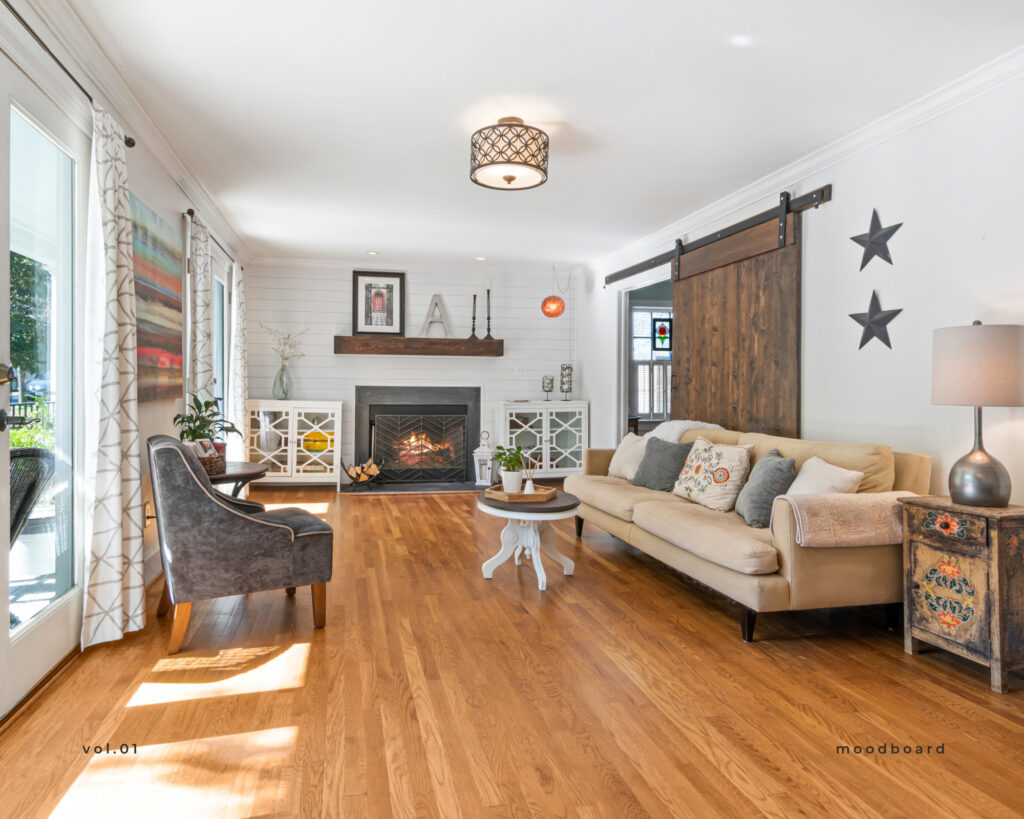
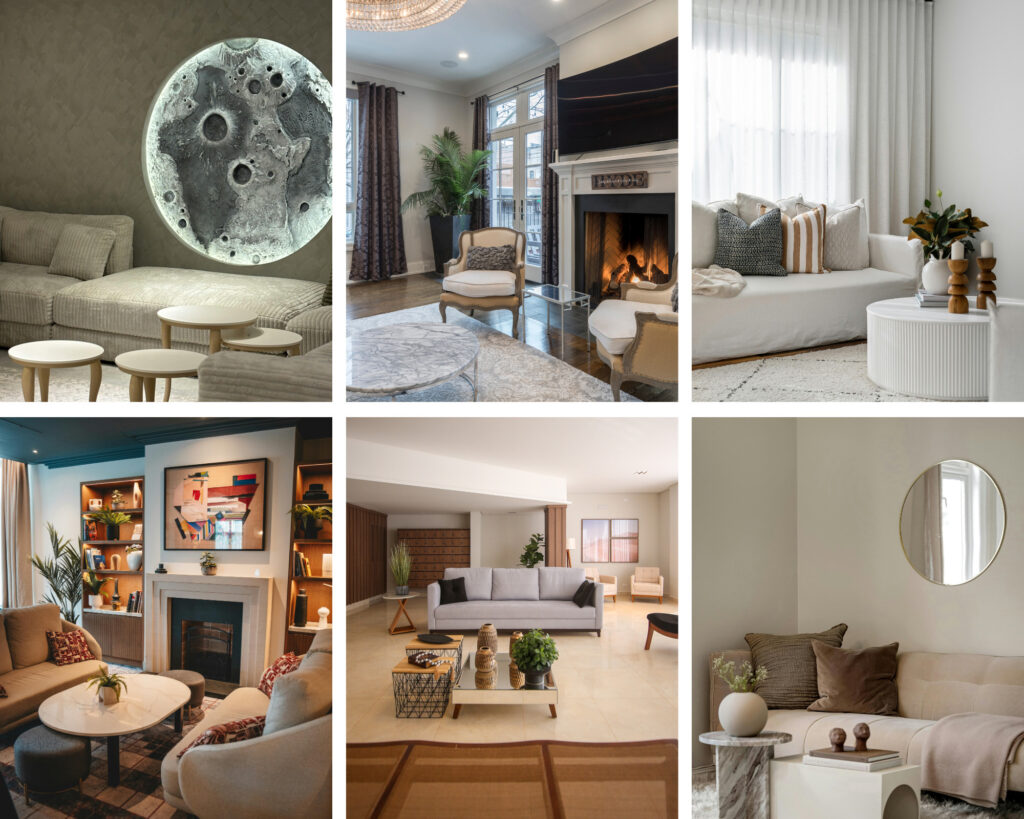
Your living room should be the heart of your home: comfortable, inviting, and a true reflection of your taste. With the right living room decor choices—colors, furniture, lighting, and accessories—you can turn any space into a stylish retreat. This step-by-step guide walks you through everything you need to plan, create, and publish a high-performing blog post that helps readers and ranks well.
Choose a Cohesive Style
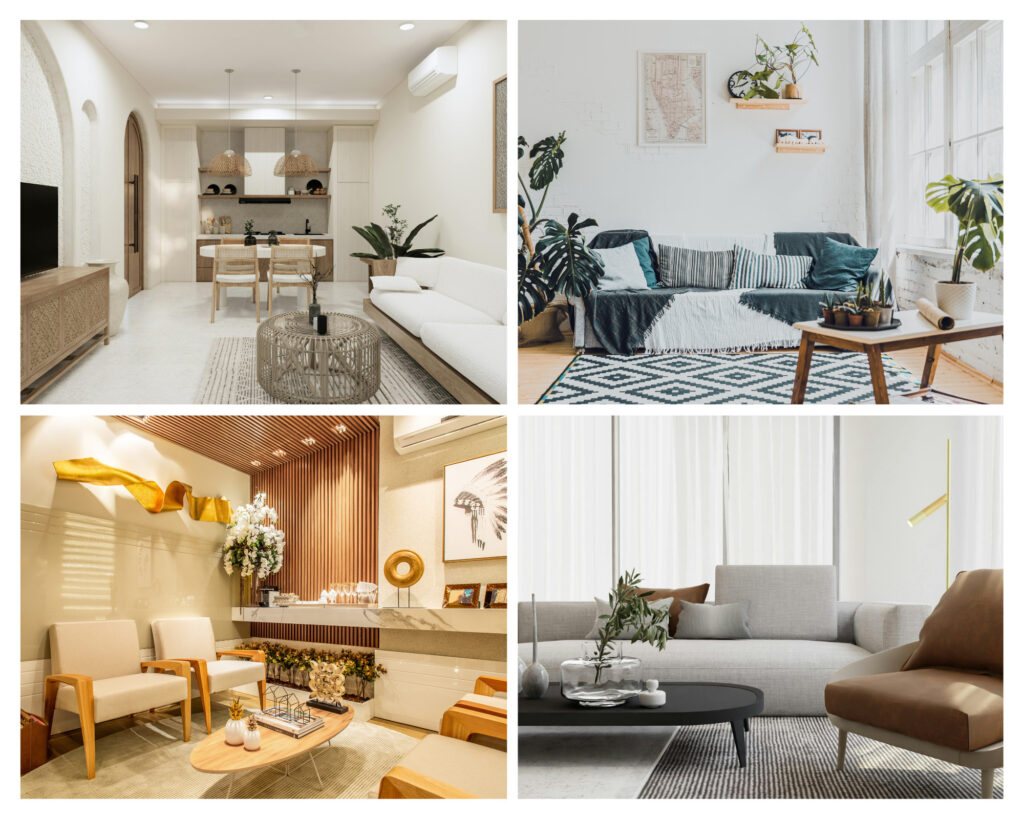
Start by selecting a design direction—this keeps every decision cohesive. Popular styles include modern, minimalist, boho, farmhouse, and eclectic. To pick the right style for your audience:
Look at what performs well in your niche (Pinterest boards, competitor blogs).
Give readers quick examples: “modern = clean lines + neutral palette; boho = layered patterns + natural textures.”
Offer a one-paragraph style checklist your readers can use to choose their look.
Pick a Color Palette That Works
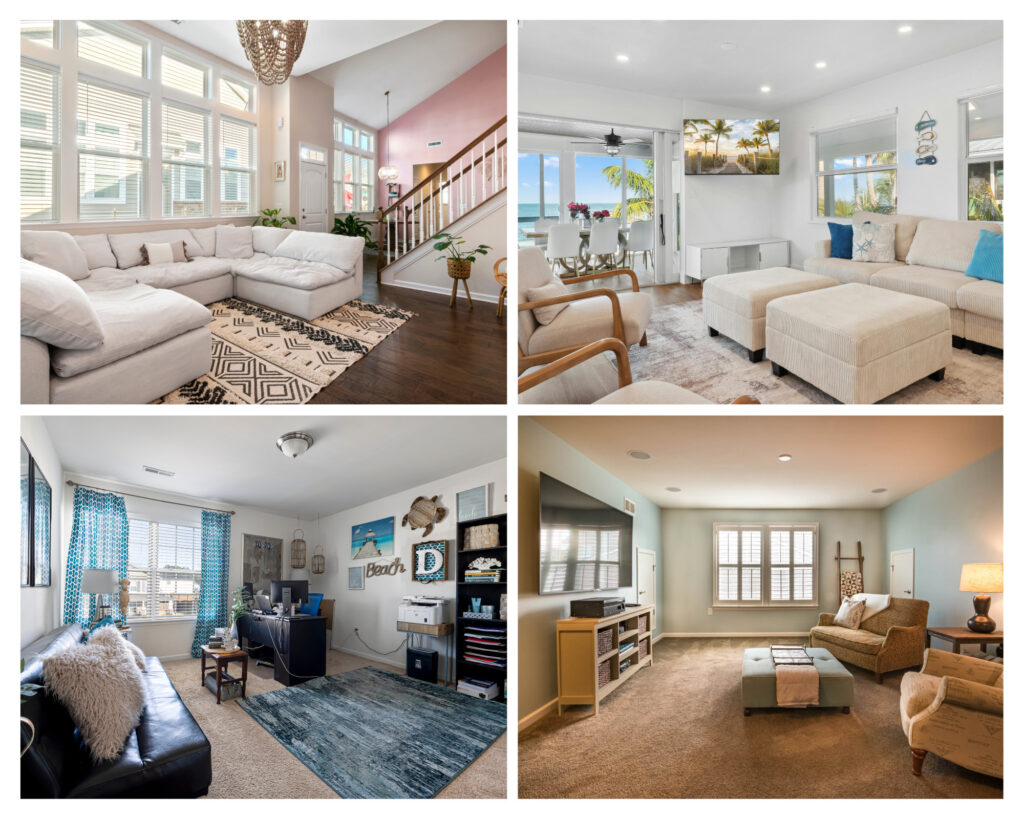
Color sets the tone. Use neutrals as a base—beige, gray, or warm white—and add 1–2 accent colors (jewel tones, mustard, terracotta). For step-by-step instruction:
- Choose a base wall color (neutral).
- Select two accent colors for pillows, throws, and art.
- Balance warm and cool tones for depth.
Furniture: Balance Comfort and Function
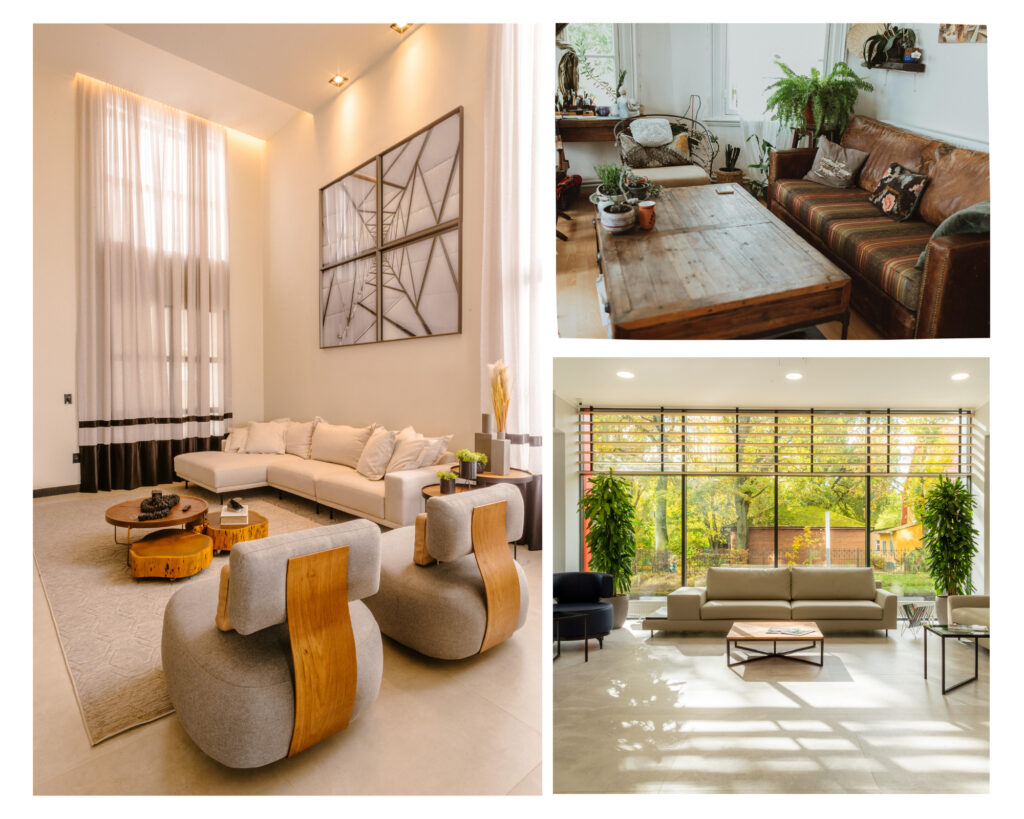
Furniture should be both beautiful and usable. Walk readers through choosing a sofa, chairs, and coffee table:
- Measure the room first (include a short guide to measuring and scaling furniture).
- Choose a sofa size based on room dimensions and use (sectional vs. sofa + chairs).
- Add multi-use pieces: storage ottomans, console tables with drawers, and benches.
Include bullet lists of recommended materials (leather for durability, performance fabric for kids/pets).
Lighting & Ambiance
Lighting is a game-changer. Explain layering: ambient (ceiling), task (reading lamps), and accent (wall lights, uplights).
- Recommend warm bulbs for living rooms (~2700–3000K).
- Suggest dimmers to create mood.
- Add a line about statement fixtures (pendant/chandelier) for rooms with higher ceilings.
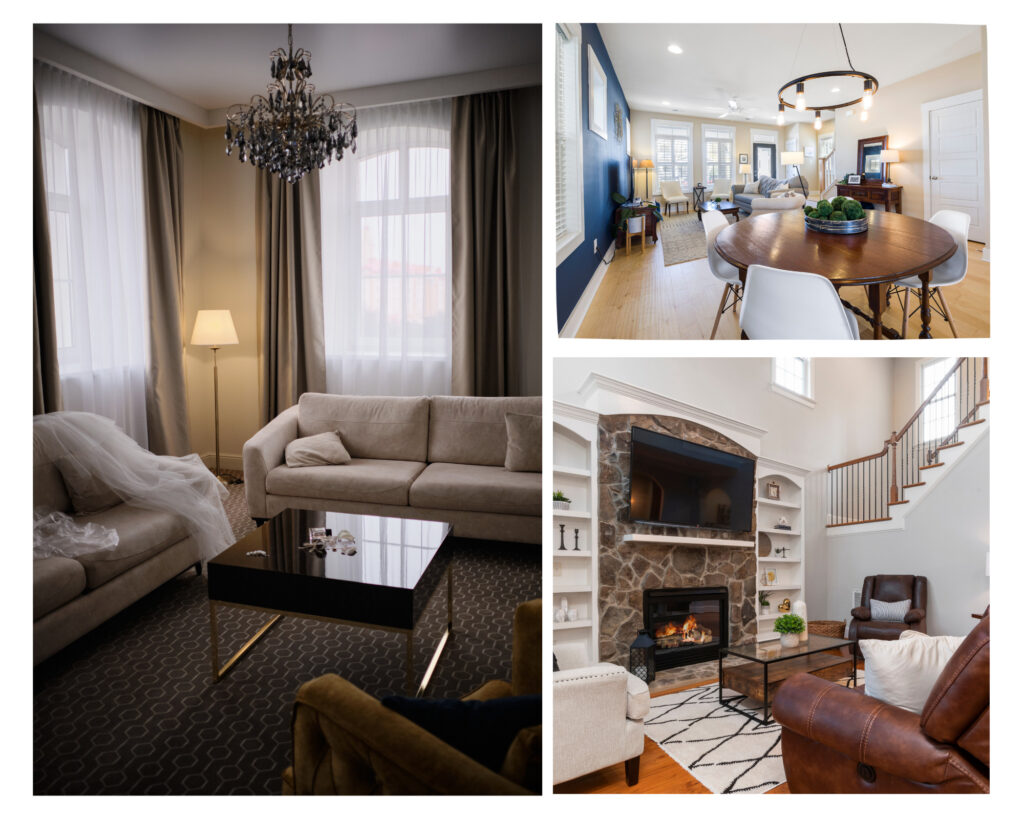
Textiles, Rugs & Accessories
Textiles add warmth. Guide readers through rug placement, pillow styling, and throws:
- Rug rule: front legs of main furniture on the rug—choose a rug that fits the seating area.
- Cushion mix: 60% solids, 40% patterns; vary sizes and textures.
- Throws: fold and drape for lived-in look.
Provide short product-type suggestions (e.g., layering a flatweave over a jute rug for texture).
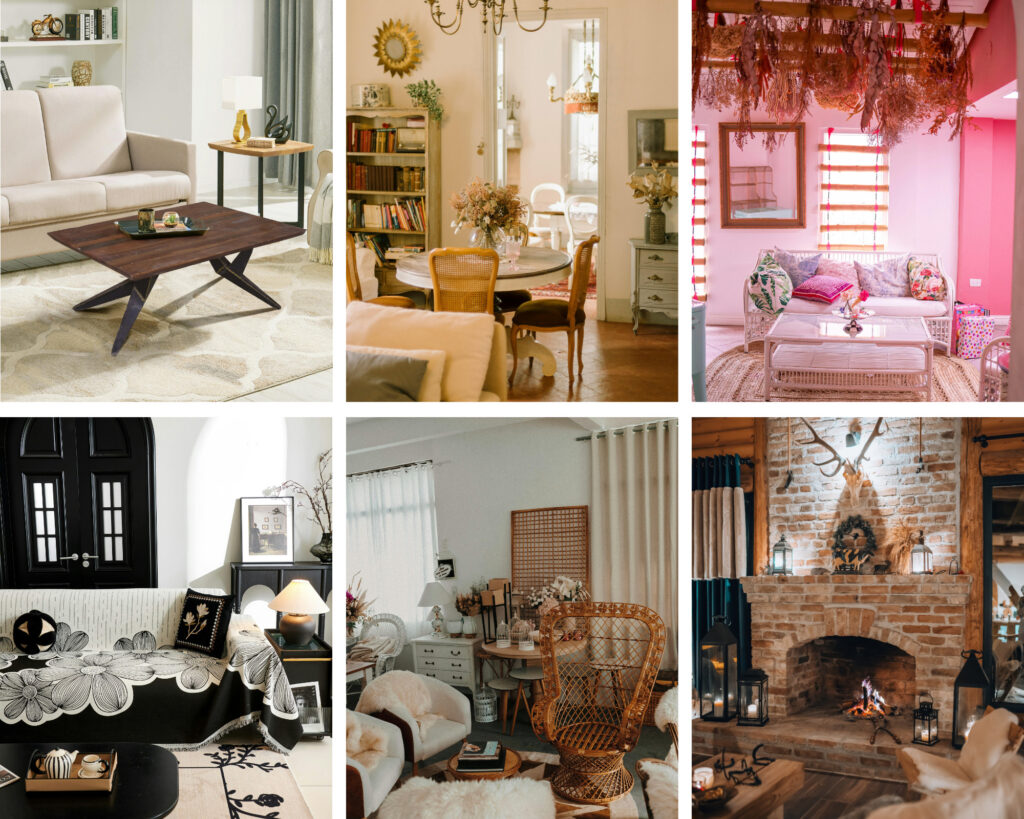
Wall Decor, Art & Focal Points
Walls create visual interest. Offer step-by-step layout tips:
- Hang art at eye level (approx. 57–60 inches from floor to center).
- Create a gallery wall with consistent spacing (2–3 inches between frames).
- Use oversized art to anchor a sofa wall if you prefer a minimal look.
Show examples of focal points: fireplace mantel, TV wall with built-in shelves, or a large mirror to reflect light.
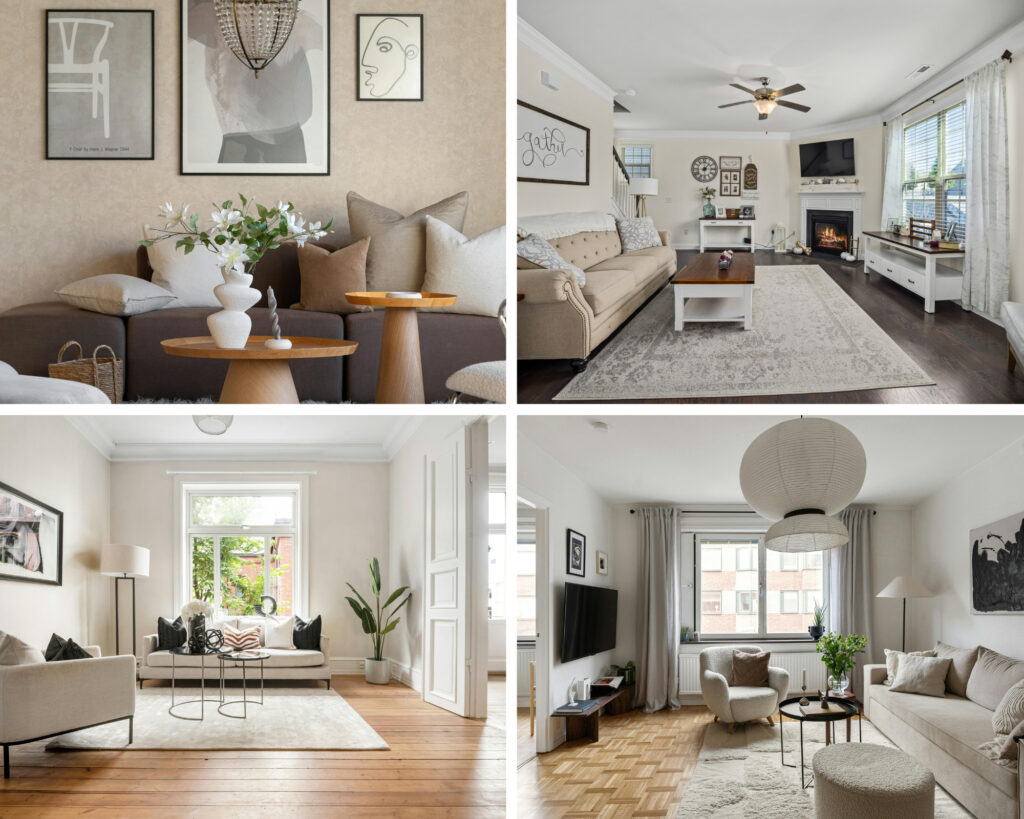
Plants, Greenery & Final Touches
Plants add life and balance. Recommend plant types for light conditions (low-light vs bright): snake plant, pothos, fiddle leaf fig (bright light), and philodendron.
Finish with small decor touches: trays, books, ceramic vases, and scented candles — but don’t overcrowd surfaces.
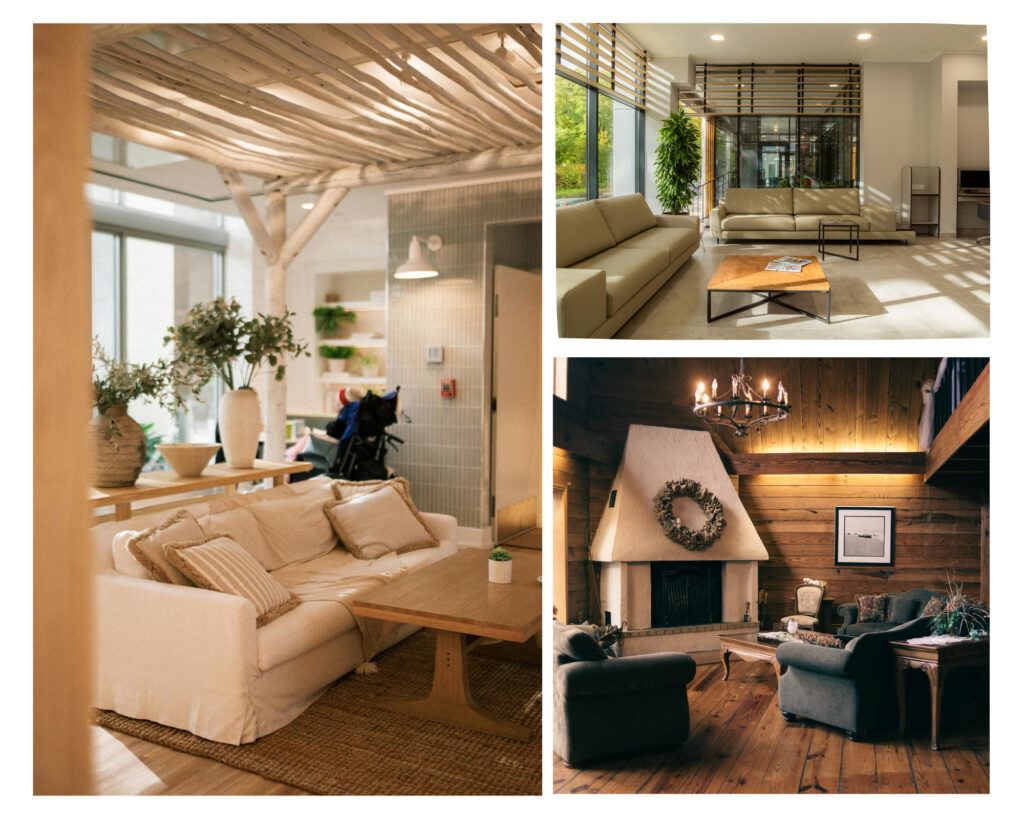
Practical Tips & Maintenance
Keep your living room looking fresh:
- Rotate cushions and rugs seasonally.
- Spot-clean spills immediately (include short cleaning tips for common fabrics).
- Reevaluate layout every 1–2 years to update the look without a big spend.
Conclusion
A great living room balances comfort, function, and style. Try one change this week—swap a rug, add a plant, or update lighting—and notice the difference.
Call to Action: If you enjoyed this guide, subscribe for monthly décor tips or download the free living room décor checklist (link to opt-in).